
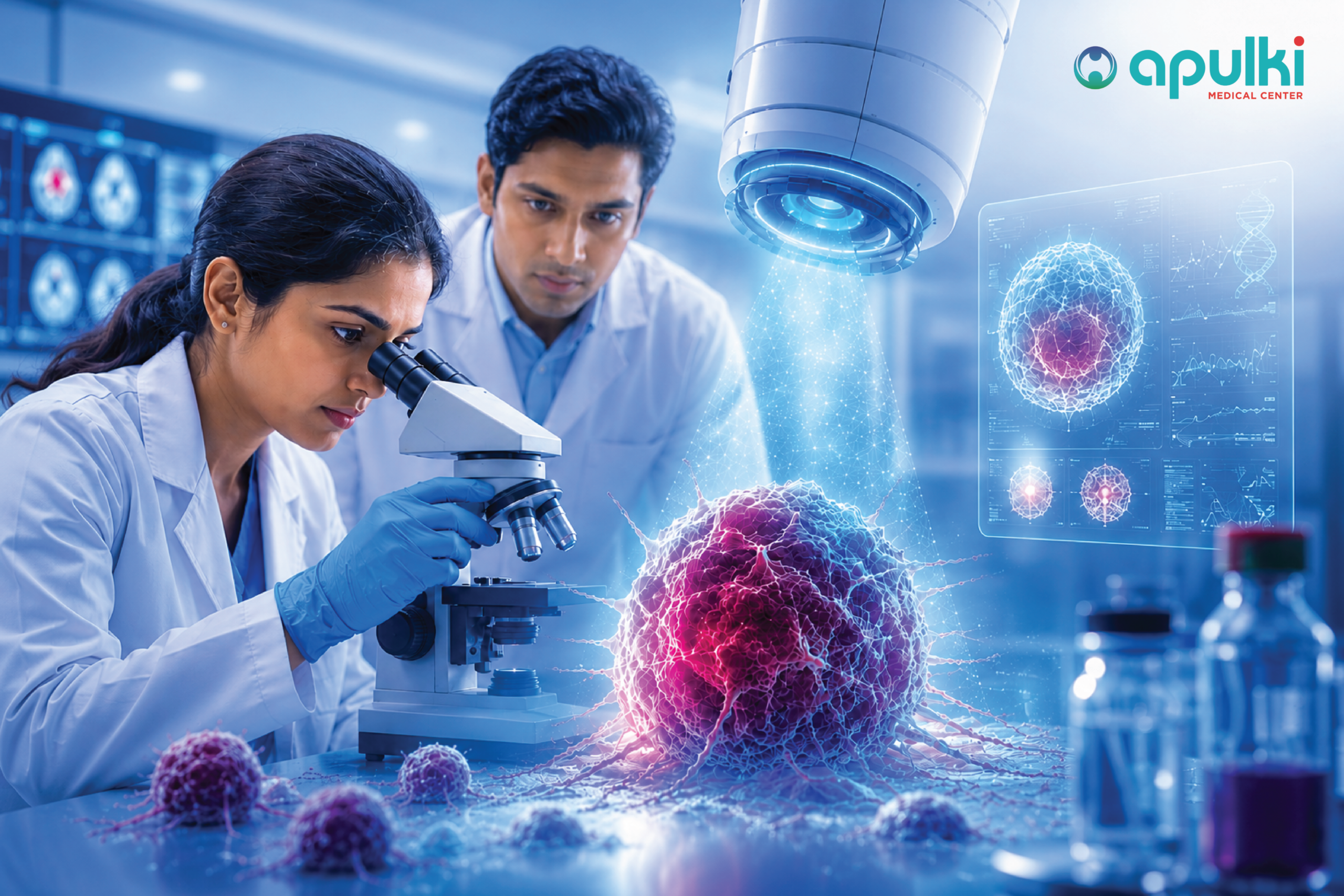
Oncology workflows are shifting fast. Machine learning now parses medical data at a scale humans simply cannot match. It completely changes how clinical teams spot malignancies. Subtle cellular anomalies easily hide in plain sight during routine diagnostic reviews. AI changes this entirely. By crunching massive datasets- everything from high-resolution radiologic scans to dense genomic profiles and messy clinical history files- these software tools pinpoint microscopic patterns that human eyes miss. Think of it as an extra, highly vigilant layer of clinical defence. The core technology isn’t theoretical anymore; it is actively working across breast, lung, and skin cancer detection.
The practical upside impacts survival curves directly. First, accuracy gets a major boost. By filtering out visual noise in scans, algorithms reduce the false positives that cause unnecessary biopsies. More importantly, they catch the false negatives that delay treatment. Speed is another massive win. A radiologist takes time to review a complex, multi-slice CT scan. An algorithm flags suspicious areas in seconds. This slashes the agonising wait time between an initial scan and a real diagnosis. It also opens the door for personalised oncology. By matching a patient’s specific tumour mutations with global clinical trial data, the software helps oncologists select targeted therapies built for that exact molecular profile. It leads to better long-term patient outcomes.
We see this being deployed through three major channels right now. First is raw image analysis, where computer-aided detection scans digital mammograms and chest tomographies to act as an automated second opinion. Second is genomics. Deep learning models sort through massive DNA sequencing outputs to identify rare genetic variants and hereditary cancer risks. Third is real-time decision support. These systems live on the clinic computer, helping doctors weigh complex treatment variables against the latest peer-reviewed survival statistics while the patient is still in the room.
But the clinical integration faces steep hurdles. Algorithms require clean, uncorrupted data to train effectively. That is a massive headache given how fragmented modern hospital records are. If the training data is biased or low-resolution, the machine’s output becomes useless. Regulatory frameworks are also lagging way behind the technology. Validating these models across diverse patient populations is a slow, tedious process. Medical communities rightfully demand rigorous, multi-centre clinical validation to prove an algorithm works just as well in a small rural clinic as it does in a major university research lab.
The future of cancer care looks entirely different because of this. Researchers are actively pairing machine learning with robotic surgical systems and targeted nanotechnology delivery tools. There is also a major push for global health applications. Deploying these diagnostic tools into low-resource settings gives remote areas expert-level screening capabilities, even if they completely lack specialised oncologists on-site. The technology is no longer an experimental luxury. It is becoming a standard, foundational tool for modern cancer care.