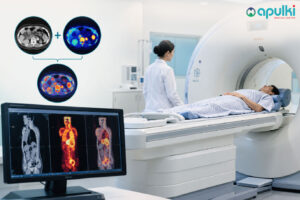
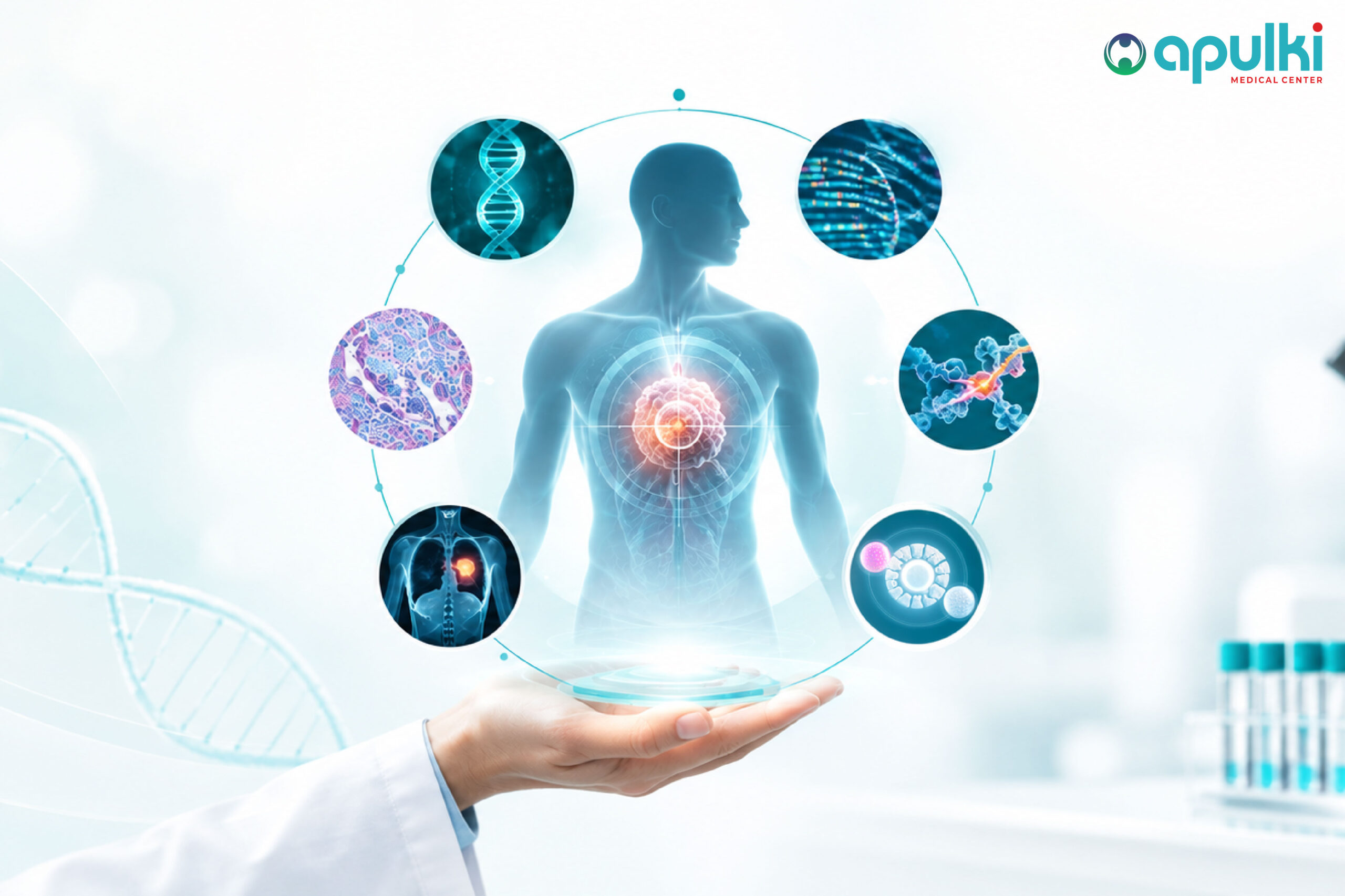
Due to the progress in precision medicine, there has been a significant transformation in recent years. This approach has allowed doctors to tailor the treatment to individual patients, leading to more effective and targeted therapies. Let us explore how precision medicine is revolutionising oncology and improving outcomes.
What is Precision Medicine?
Precision medicine, also called personalised medicine, uses advanced technology to look at a person’s genes, health history, and lifestyle to create a custom treatment plan. In cancer care, it focuses on finding specific gene changes or markers that cause tumours to grow, allowing doctors to tailor treatments directly to the individual.
How Does Precision Medicine Work in Cancer Treatment?
- Genetic Testing: Analysing the genetic profile of the patient’s cancer to identify specific mutations or biomarkers.
- Targeted Therapies: Developing treatments that target the identified genetic mutations or biomarkers.
- Personalised Treatment Plans: Creating customised treatment plans based on the patient’s unique genetic profile and medical history.
Benefits of Precision Medicine in Cancer Treatment
- Improved Treatment Outcomes: By targeting specific genetic mutations or biomarkers, precision medicine can lead to more effective treatment outcomes.
- Reduced Side Effects: Targeted therapies can reduce the side effects associated with traditional chemotherapy.
- Increased precision: Precision medicine allows for more precise treatment, reducing the risk of over-treatment or under-treatment.
Examples of Precision Medicine in Cancer Treatment
- Targeted Therapies for Breast Cancer: Medications like trastuzumab (Herceptin) and pertuzumab (Perjeta) target specific genetic mutations in breast cancer cells.
- Precision Medicine for Lung Cancer: Medications like osimertinib (Tagrisso) and crizotinib (Xalkori) target specific genetic mutations in lung cancer cells.
- Immunotherapy: Immunotherapies like pembrolizumab (Keytruda) and nivolumab (Opdivo) work by targeting specific proteins on cancer cells, helping the immune system recognise and attack the cancer.
Challenges and Limitations
While precision medicine is transforming oncology by offering targeted, individualised cancer treatments based on a patient’s unique genetic markers, several major hurdles remain. These challenges include limited access to necessary genetic testing, the complex expertise required to analyse complicated genetic data, and high costs that make specialised treatments and therapies less affordable. Despite these obstacles, the benefits of tailoring cancer care to each individual’s biological profile are undeniable, and as ongoing research moves forward, it promises even more innovative ways to treat cancer and improve patient outcomes.
Ultimately, precision medicine is fundamentally transforming oncology, and its influence will expand as diagnostic technology advances and our knowledge of cancer biology deepens. By moving toward personalised cancer care, patients can anticipate more effective treatments, fewer side effects, and an overall better quality of life apulki medical center.