Breast cancer is one of the most common malignancies worldwide. Fortunately, modern medicine allows treatment of this disease in the early stages when it can be cured with minimally invasive methods. Learning about the symptoms, knowing how to prepare for a medical examination, undergoing screening tests, and getting to know about further courses of therapy are some of the important ways to reduce the risk of breast cancer.
Early Signs and Symptoms of Breast Cancer
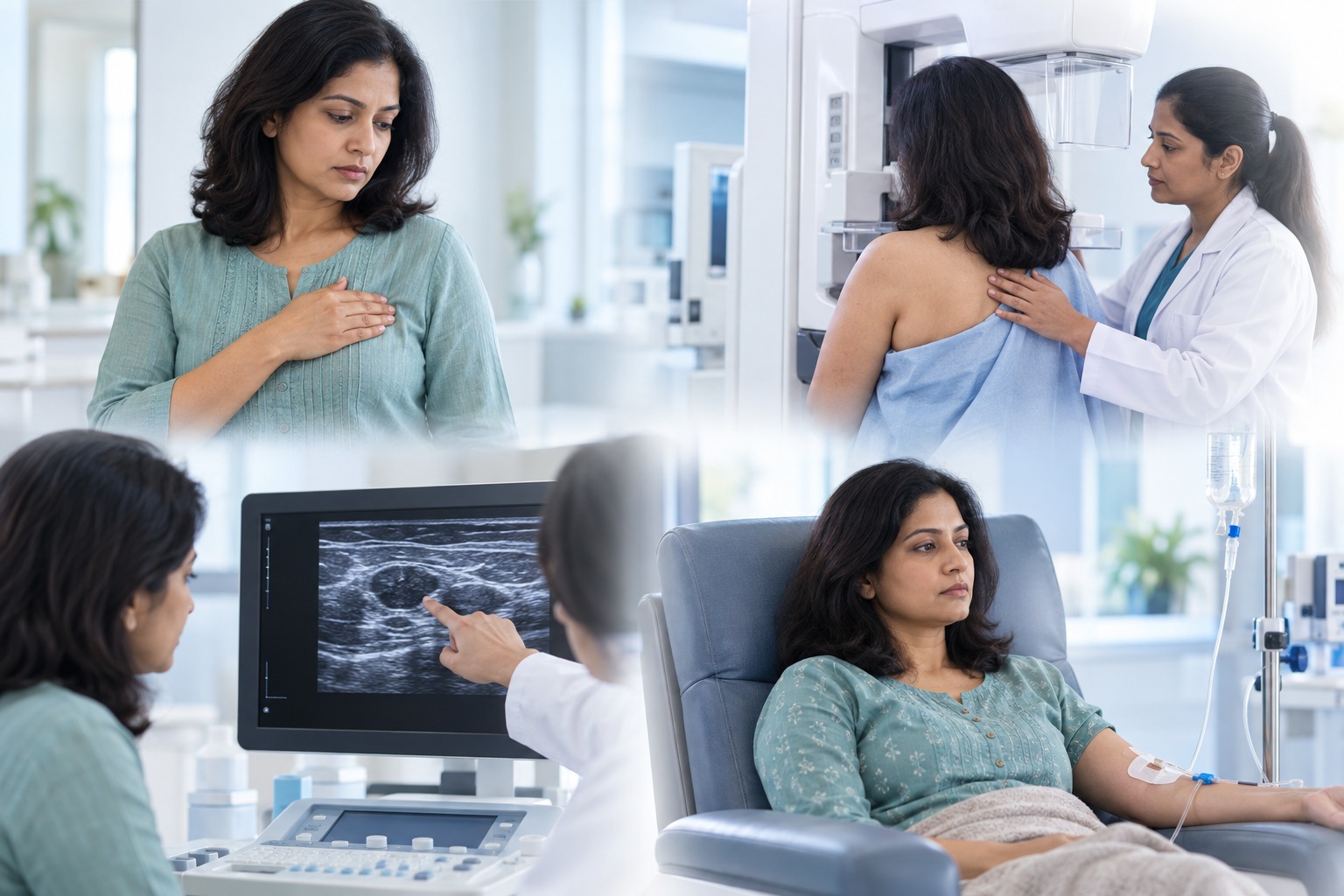
A woman should watch for any suspicious changes in her breasts and do a breast self-exam every month. A common sign can be a lump or thickening in the breast tissue. In addition to lumps, uneven shape or size of the breasts or nipples can be a symptom. Other irregularities that may indicate cancerous transformation are changes in the skin texture and appearance of the breast, including dimpling of the skin or inversion of the nipple. Nipple discharge, uneven skin texture, and pain in the breasts or around the collarbone area should also raise suspicion.
Screening and Early Detection
Medical experts are strongly encouraging women to get regular screening tests, which help detect breast cancer in the early stage. The most common type of screening is mammography, which uses low-dose X-rays for examining breast tissue. It can also identify malignant tumours even before they show symptoms. Usually, women are advised to get regular mammograms starting at age 40. People with a family history of cancer or genetic predisposition to the disease should consult their doctor about screening schedules since they might need to alter the usual course of treatment.
Preparation for Diagnostic Tests
A diagnostic mammogram is the first step in figuring out what is going on. If a lump is found, a biopsy is needed to determine whether it is malignant or benign. A biopsy is a procedure in which the doctor removes a small tissue sample with a special tool for further histological studies. Mammography and ultrasound help to understand the integrity of tissues that can be examined. Oncologists, pathologists, and surgeons work together to figure out what kind of breast cancer a patient has and choose the next steps.
Treatment and Recovery
Today, breast cancer is treated most effectively with a team of medical professionals. In most cases, therapy is built individually for each patient, depending on the stage and type of cancer, and the general health condition of the patient. Thus, surgeons try to remove as much of the tumour as possible during surgery and examine nearby lymph nodes to see if they are cancerous. After surgery, radiotherapy is often prescribed to eliminate any remaining cancer cells in the body with radiation. To reduce the likelihood of recurrence, patients are also given chemotherapy or hormone therapy. In addition, biological therapy or immunotherapy can also be used in parallel or independently.
Methods of Breast Cancer Diagnosis and Effective Treatments
Apulki Medical Center wants to assure women that they will help them cope with breast cancer and associated health issues during the entire treatment process. At the same time, the staff also cares about patients’ comfort and recovery after surgery. To ensure the best results, patients also have to take care of themselves and follow all recommendations provided by healthcare professionals. Thus, breast cancer will no longer be a terrible diagnosis if people know how to respond in time and take care of their health in general.