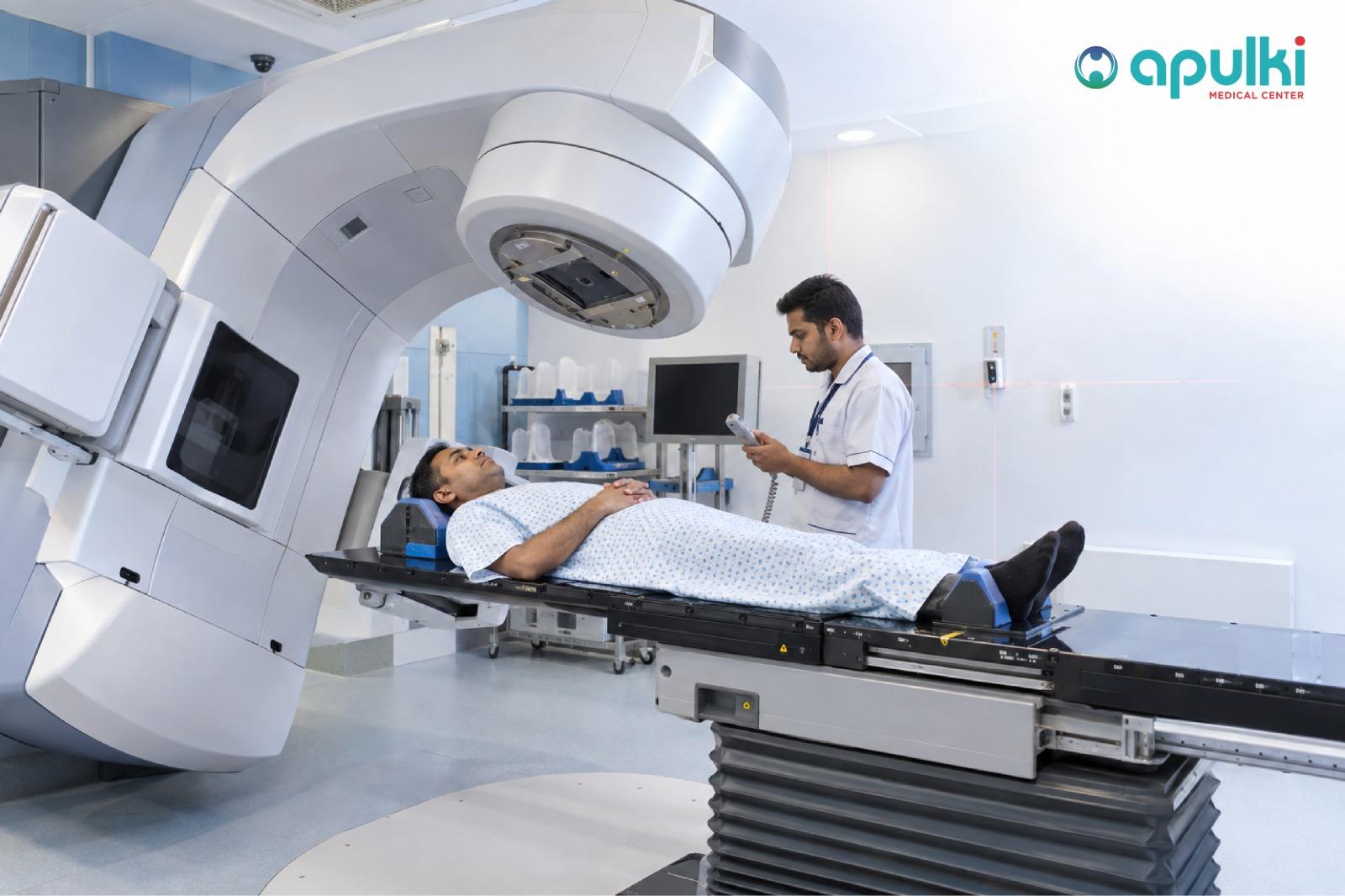
Running an oncology department means keeping treatment precision strictly under control, especially when radiation therapy schedules fill up. When hospital teams rely on outdated protocols or fragmented records, managing complex external beam radiation therapy becomes an uphill battle. Clinical physicists and oncologists look closely at beam shaping, dosage delivery, and patient positioning. Setting up a reliable Linear Accelerator (LINAC) system helps oncology operations deliver targeted care smoothly.
Accelerating Particles for Precision Beam Generation
A frequent challenge during high-energy treatments is ensuring the radiation beam targets the tumour accurately without harming healthy surrounding tissue. Medical physicists look for clear proof of energy calibration, microwave power stability, and proper electron acceleration. A compliant LINAC system uses a high-frequency electromagnetic field to accelerate electrons to near the speed of light, directing them toward a heavy metal target to produce high-energy X-rays or electron beams. Restricting parameter modifications through strict access controls ensures that only authorised medical physicists can alter treatment planning fields or override calibration values.
Streamlining Patient Positioning and Motion Management
Tumour movement caused by breathing or organ shifting can hurt treatment accuracy. Moving to advanced image-guided workflows prevents positioning errors before the beam turns on. Generating daily cone-beam CT scans ensures every patient alignment matches the initial planning scan instantly. Radiation therapists can track internal anatomical changes across treatment fractions, minimising geometric misses and improving overall clinical outcomes.
Integrating Treatment Planning and Dosimetry Checks
Manual calculation errors during dose setup expose radiotherapy departments to severe safety risks. Interfacing treatment planning systems directly with the LINAC console eliminates manual transcription errors. Connecting contouring software straight to the delivery unit allows dose distributions to load in without manual keying. Automated safety interlocks flag out-of-tolerance parameters instantly, allowing the team to resolve issues before radiation delivery begins.
Managing Treatment Records and Quality Assurance
Regulatory standards require standardised documentation, daily safety checks, and secure authorisation channels. The oncology software automates dose logging and embeds verification codes on treatment delivery sheets. Centralised data networks enable radiation oncologists and physicists to review, approve, and sign off on fraction records securely.
Practical Steps for Clinical Teams
Review your equipment software to check if your current infrastructure supports deep audit trails and strict version control. Transition off manual paperwork by consolidating daily machine logs into a single digital quality assurance platform. Conduct internal walkthroughs so your radiation therapy team feels comfortable with system verification before morning treatments begin.