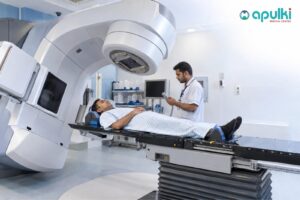

Navigating nutrition during chemotherapy and radiation therapy is a vital piece of the overall cancer care journey. While medical treatments focus heavily on targeting the disease, what a patient eats at home plays a direct role in maintaining strength, supporting the immune system, and managing the physical toll of therapy.
The Importance of Nutrition During Cancer Treatment
Maintaining adequate nutrition while undergoing cancer treatment helps the body handle heavy medical loads, protects energy levels, and provides the essential building blocks needed for tissue repair and immune defence.
- Support the immune system: A well-nourished immune system is better equipped to fight cancer and withstand the side effects of treatment.
- Manage treatment-related side effects: Certain foods and nutrients can help alleviate symptoms such as nausea, vomiting, diarrhoea, and fatigue.
- Maintain energy levels: Adequate nutrition is essential for maintaining energy levels and supporting physical activity during treatment.
- Support wound healing: A healthy diet rich in protein, vitamins, and minerals is essential for supporting wound healing and tissue repair.
Dietary Recommendations During Chemotherapy
Chemotherapy frequently brings digestive challenges such as nausea, vomiting, changes in appetite, and fatigue. Adjusting eating habits can make these symptoms more manageable:
- Eat small, frequent meals: Divide daily food intake into 4-6 small meals to help manage nausea and vomiting.
- Choose bland foods: Opt for bland, easily digestible foods such as crackers, toast, plain rice, and bananas.
- Avoid spicy and fatty foods: Spicy and fatty foods can exacerbate nausea and vomiting.
- Stay hydrated: Drink plenty of water and other fluids to help manage diarrhoea and fatigue.
- Consider ginger and peppermint: Ginger and peppermint have natural anti-inflammatory properties that may help alleviate nausea and vomiting.
Dietary Recommendations During Radiation Therapy
Radiation therapy introduces localised challenges, particularly when treatments are directed toward the head, neck, or chest. Patients often experience a sore throat, dry mouth, or discomfort while swallowing:
- Eat soft, moist foods: Opt for soft, moist foods such as soups, yoghurt, and scrambled eggs to help manage dry mouth and sore throat.
- Avoid spicy and acidic foods: Spicy and acidic foods can exacerbate dry mouth and sore throat.
- Stay hydrated: Drink plenty of water and other fluids to help manage dry mouth and fatigue.
- Consider oral care products: Use oral care products such as mouthwashes and toothpastes specifically designed for dry mouth to help manage symptoms.
Foods to Eat During Cancer Treatment
When appetite allows, incorporating nutrient-dense foods helps supply vital vitamins, healthy fats, and sustained energy:
- Leafy greens: Leafy greens such as spinach, kale, and collard greens are rich in antioxidants and fiber.
- Berries: Berries such as blueberries, strawberries, and raspberries are rich in antioxidants and fiber.
- Nuts and seeds: Nuts and seeds such as almonds, walnuts, and chia seeds are rich in healthy fats and protein.
- Fatty fish: Fatty fish such as salmon, tuna, and mackerel are rich in omega-3 fatty acids.
- Whole grains: Whole grains such as brown rice, quinoa, and whole wheat bread are rich in fiber and antioxidants.
Foods to Avoid During Cancer Treatment
Certain foods create extra stress on your body and are best kept off the plate during treatment:
- Processed meats: Processed meats such as hot dogs, sausages, and bacon are high in sodium and preservatives.
- Sugary drinks: Sugary drinks such as soda, sports drinks, and energy drinks are high in sugar and calories.
- Fried foods: Fried foods such as French fries, fried chicken, and doughnuts are high in fat and calories.
- High-sodium foods: High-sodium foods such as canned soups, processed snacks, and frozen meals are high in sodium.
- Foods high in added sugars: Foods high in added sugars such as baked goods, candy, and sweetened yoghurts are high in sugar and calories.
Consult an oncologist, oncology nurse, or a registered clinical dietitian to create a personalised nutrition plan.